
Anima is a design-to-code platform built to bridge the gap between design and frontend development. Originally known for helping convert Figma designs into code, the platform has evolved into a broader AI-powered workflow that enables users to create applications from design files, prompts, or even existing websites. According to the company, Anima is used by more than 1.8 million builders and integrates with modern AI development environments while helping preserve design systems and visual consistency throughout the development process.
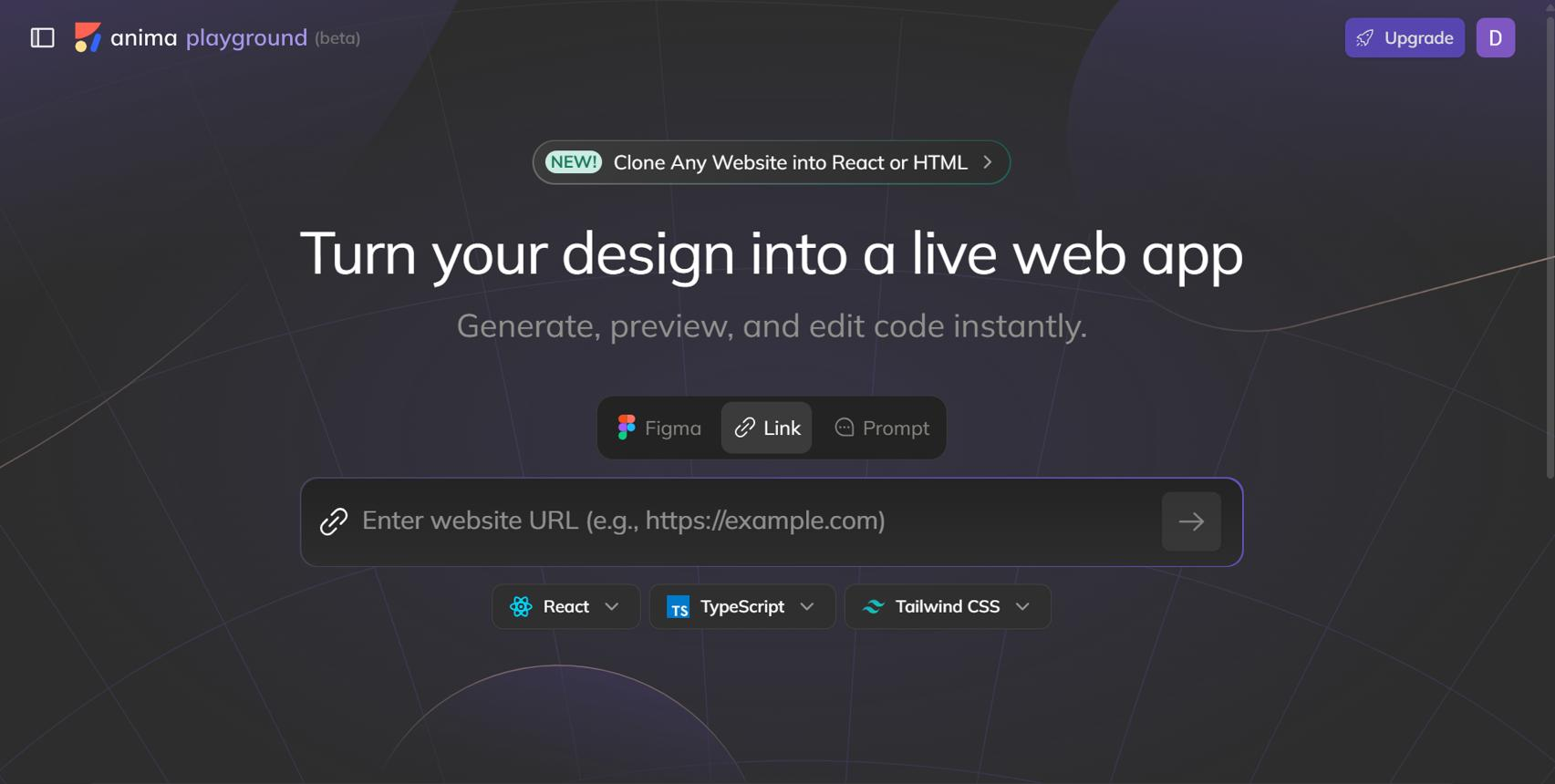
The platform works by allowing users to import a Figma file, describe an application with a prompt, or clone an existing public website. Anima analyzes the visual structure, layout, and design system before generating editable frontend code. Instead of simply producing static output, it aims to maintain responsive layouts, reusable components, and project context so teams can continue development using familiar frontend frameworks. Developers can further refine the generated code or continue building inside their preferred workflow.
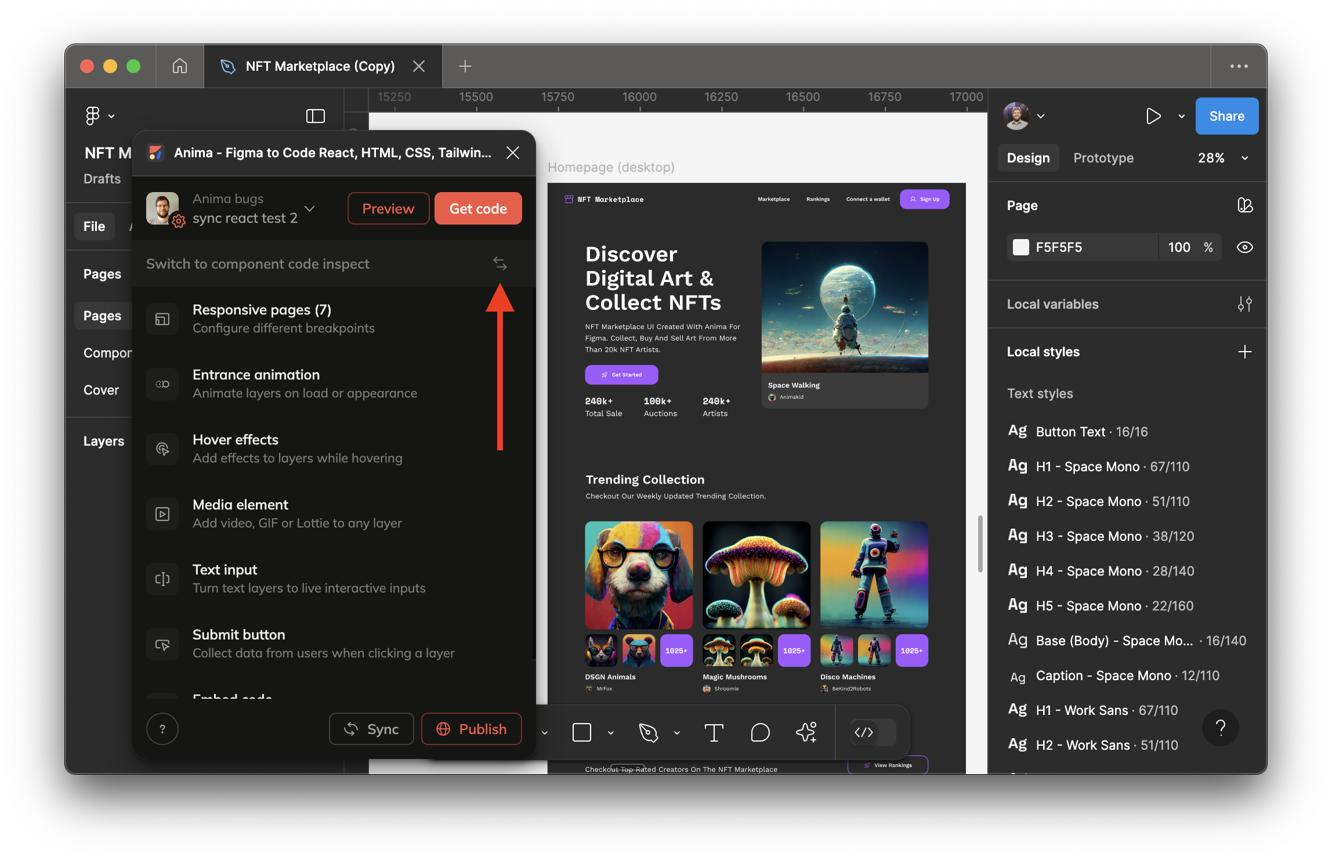
Anima supports several core products and services that streamline the design-to-development pipeline. Its AI Playground enables prompt-based application generation, Figma imports, and website cloning. The Figma plugin converts design files into frontend code, while the Anima API and MCP (Model Context Protocol) allow AI coding agents and external applications to access design intelligence, design systems, and project context. The platform also supports exporting code for frameworks such as React, Vue, and HTML with multiple styling options including Tailwind CSS and CSS Modules.
One of Anima’s major strengths is its emphasis on preserving visual intent. Rather than generating generic interfaces, the platform incorporates brand assets, design systems, components, and interface hierarchy into the code generation process. This helps product teams maintain consistency between design and implementation while reducing repetitive frontend work. Teams can also preview, inspect, publish, and share generated applications during the development cycle, making collaboration between designers and developers more efficient.
Anima is suitable for UI and UX designers, frontend developers, startups, product managers, digital agencies, and enterprise software teams. Organizations that rely heavily on Figma or AI-assisted software development can use the platform to shorten design handoff, accelerate prototyping, and reduce manual frontend coding. Enterprise customers also have access to advanced security capabilities such as SSO, MFA, enterprise-grade SLAs, and additional compliance features.
For teams looking to combine modern AI workflows with structured design systems, Anima offers a unified environment that connects visual design and frontend implementation. Its combination of AI-assisted code generation, Figma integration, website cloning, API access, and collaborative workflows makes it a practical solution for organizations seeking to build software faster while maintaining high design quality.
Visit Anima’s official website to explore its AI-powered design-to-code platform and start with the free plan to experience Figma imports, website cloning, and code generation before upgrading to a paid subscription.
animaapp
Animaapp Platforms
 Web
Web iOS
iOS Android
 Chrome Extension