

Advanced Positioning Chip Technology and Multi-Constellation Satellites
The biggest plus building TrackerOne’s reputation lies in integrating next-generation GPS receiver chips, supporting simultaneous connection with multiple global positioning systems. This combination maximizes the number of satellites connected at the same time. As soon as users start their vehicle or take it out of an enclosed area, the device takes only a few seconds to “fix” the initial coordinates. Signal latency is virtually eliminated, ensuring that the position displayed on the phone map closely mirrors the vehicle’s actual movement.
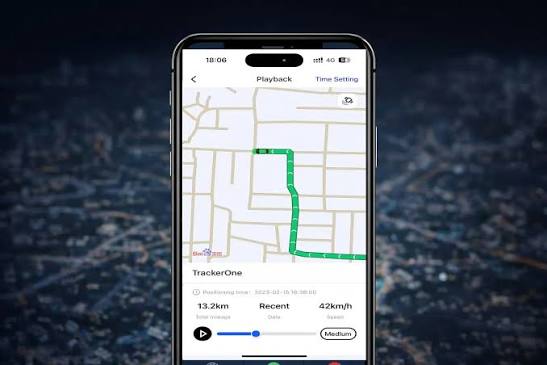
Practical Experience in Crowded Urban Environments and Underground Parking
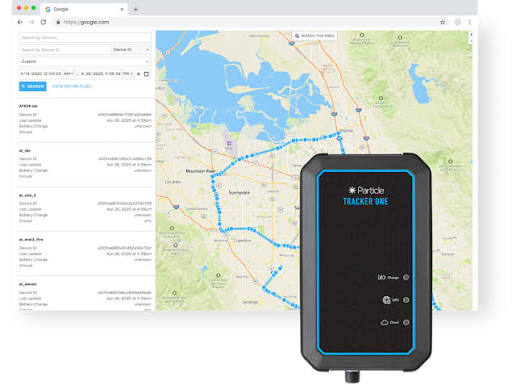
To verify real-world performance, we tested TrackerOne devices installed on cars and motorbikes moving through complex terrains:
- High-rise urban areas: Typically a “nightmare” for cheap tracking devices due to signal reflection (signals bouncing off glass building walls causing positions to deviate by dozens of meters). However, thanks to smart noise-filtering algorithms, TrackerOne maintains precision within an extremely narrow radius, with negligible margin of error.
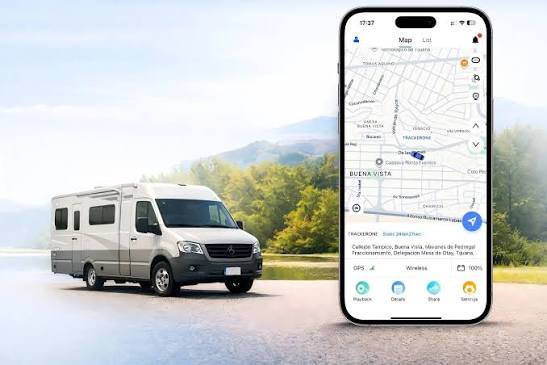
- Shopping mall basement parking: When a vehicle goes deep underground, direct GPS signals from satellites may be lost. At this point, TrackerOne flexibly switches to Cellular Base Station (LBS) positioning, recording the exact last parking spot before the vehicle lost signal, and automatically updating coordinates as soon as it resurfaces.
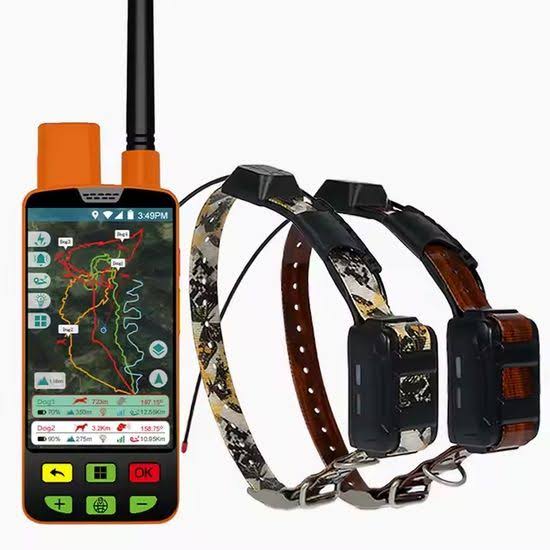
- Highways and winding mountain passes: When traveling at high speeds on highways or through sharp mountain curves, the device maintains a continuous data stream without interruptions or straight-line “jumping” like cheap, floating devices on the market.e.