

Powered by Verpex
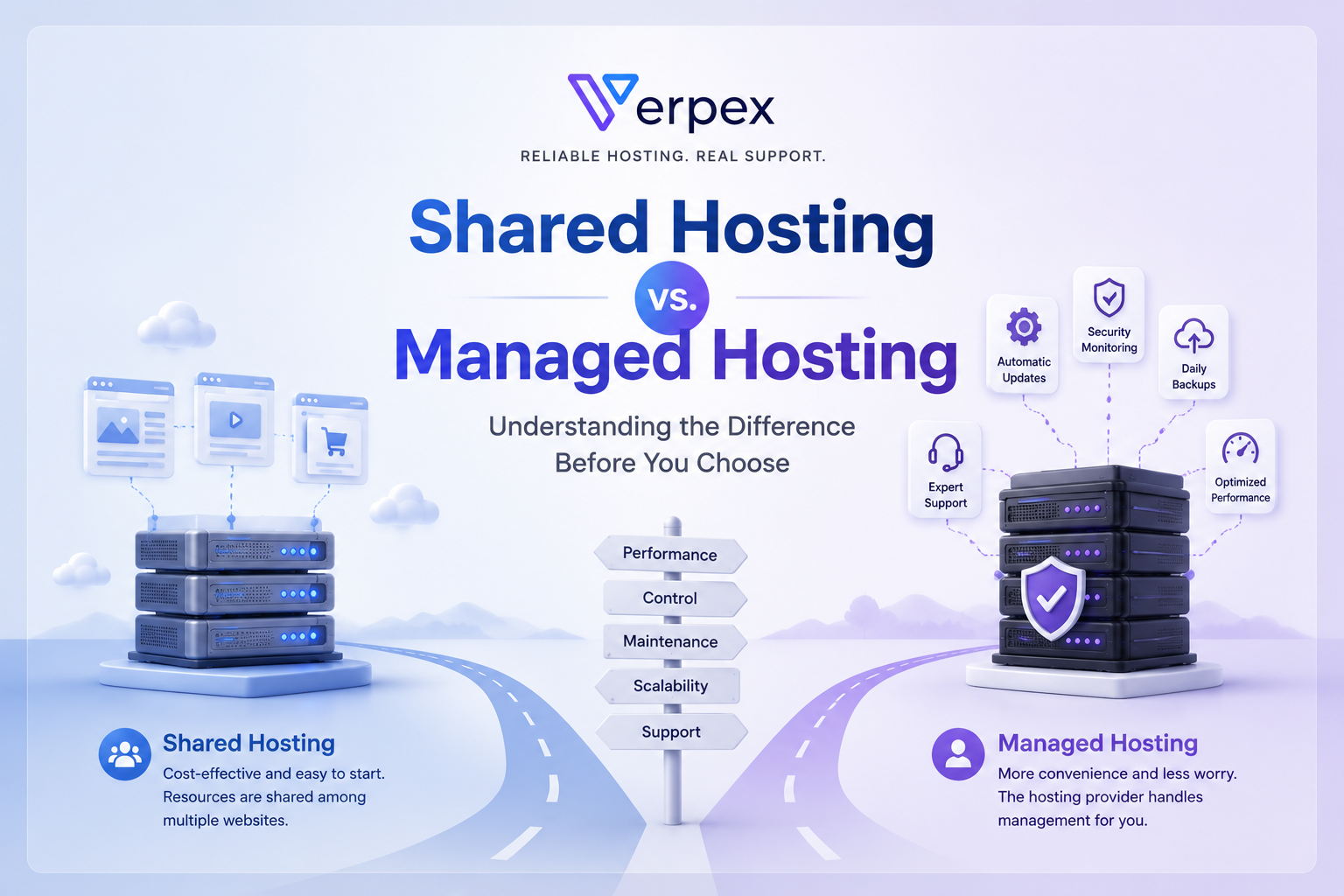
When searching for web hosting, you’ll quickly encounter terms like shared hosting and managed hosting. While both can host websites successfully, they are designed for different needs and levels of technical involvement. Choosing between them isn’t about finding the “better” option—it’s about selecting the solution that best matches your project.
Understanding the differences before launching your website can help you avoid unnecessary upgrades, reduce maintenance time, and create a smoother experience as your website grows.
What Is Shared Hosting?
4
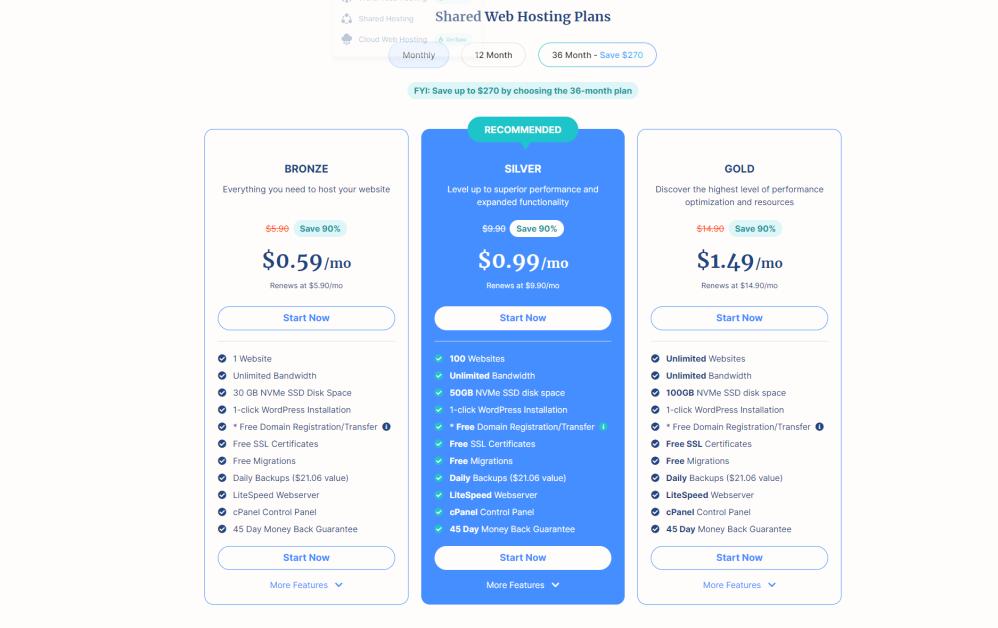
Shared hosting allows multiple websites to operate on the same server while sharing its available resources. Because infrastructure costs are distributed across many users, shared hosting is often an accessible starting point for personal websites, blogs, portfolios, and small business sites.
For projects with moderate traffic and straightforward requirements, shared hosting can provide an excellent balance between affordability and functionality.
What Does Managed Hosting Mean?
4
Managed hosting places greater emphasis on simplifying website management.
Depending on the hosting service, routine tasks such as server maintenance, updates, monitoring, and certain technical optimizations may be handled by the hosting provider. This allows website owners to spend less time managing infrastructure and more time creating content, serving customers, or growing their business.
Managed hosting can be particularly valuable for users who prefer focusing on their website rather than server administration.
Maintenance Responsibilities
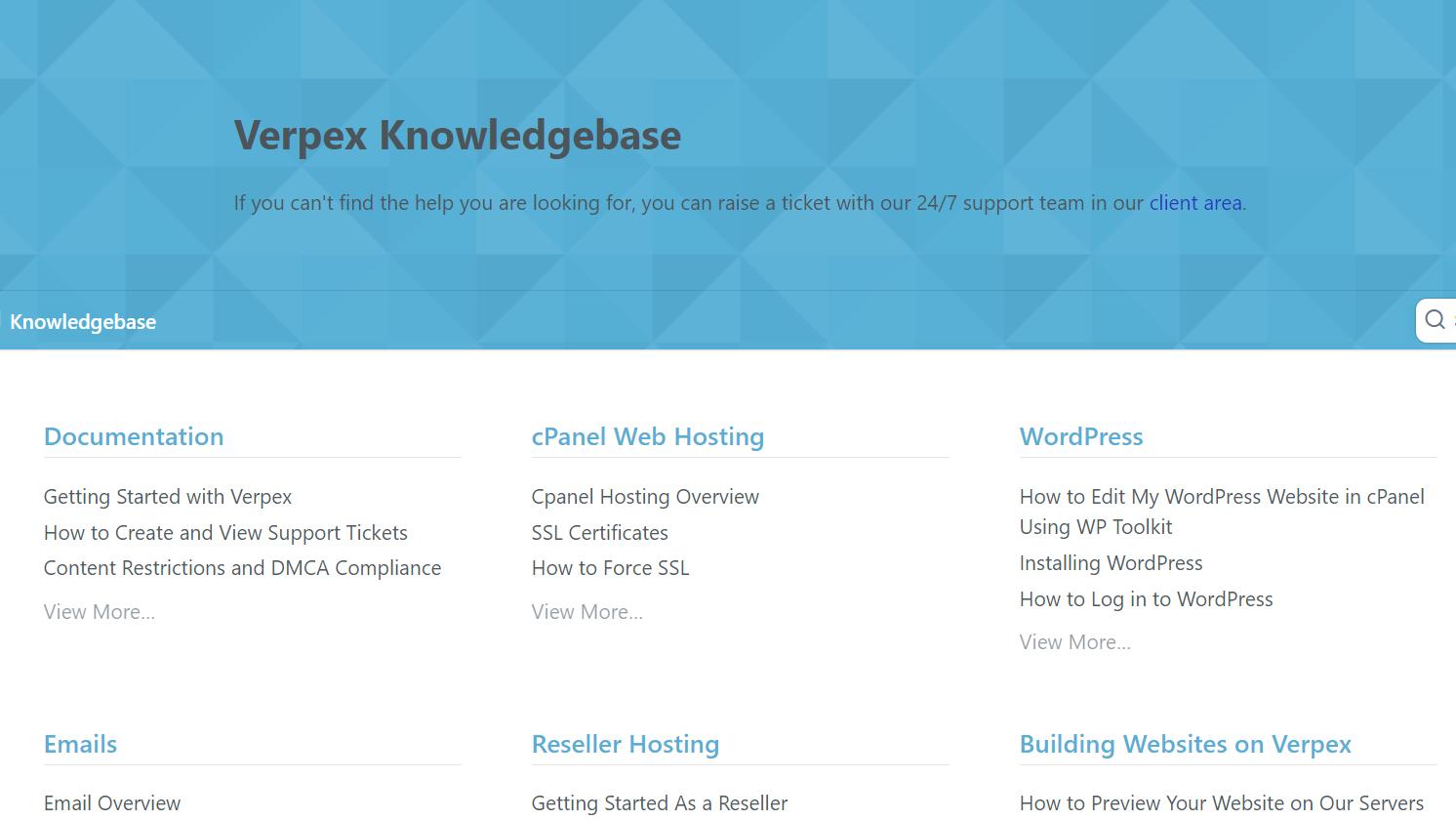
One of the biggest practical differences between hosting types is how much responsibility remains with the website owner.
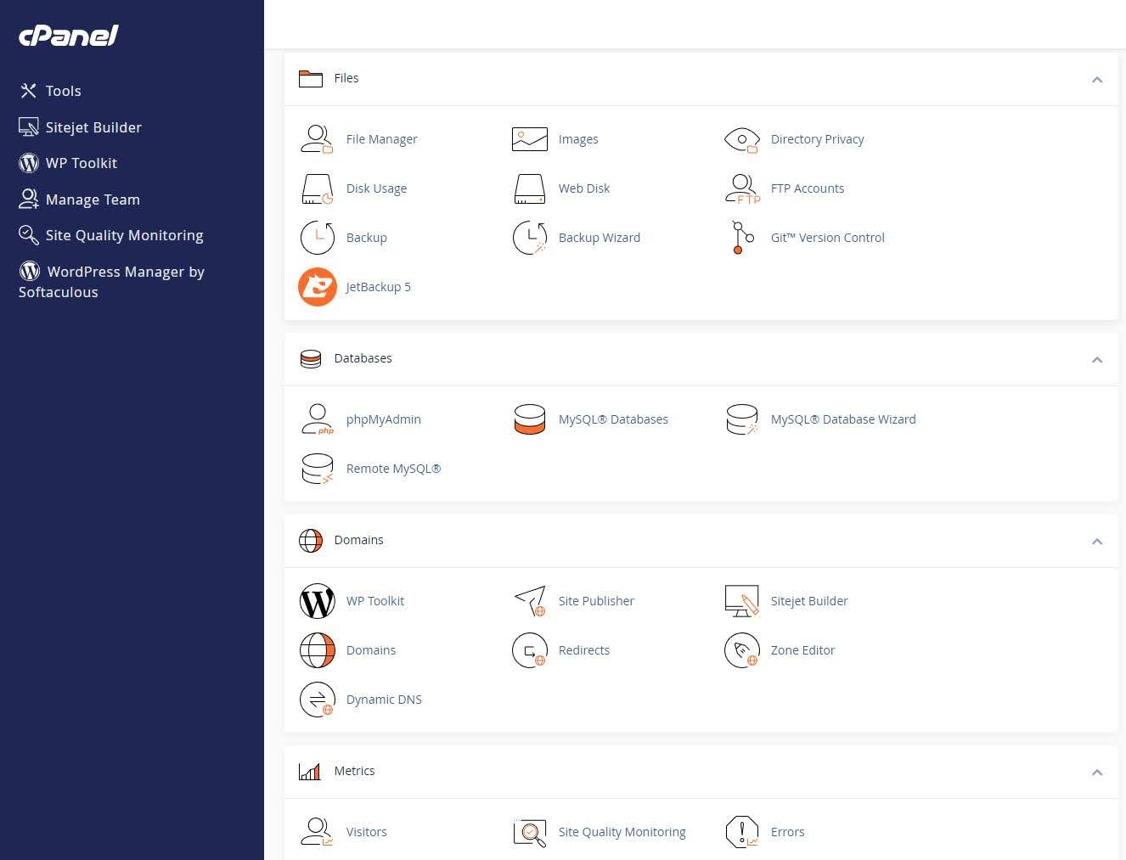
With a more hands-on hosting environment, you’ll generally perform more routine maintenance yourself. A managed environment often reduces the amount of technical work involved, making ongoing website management more convenient for many users.
The right choice depends on your experience, available time, and comfort with technical tasks.
Planning for Future Growth

4
Hosting requirements rarely stay the same forever.
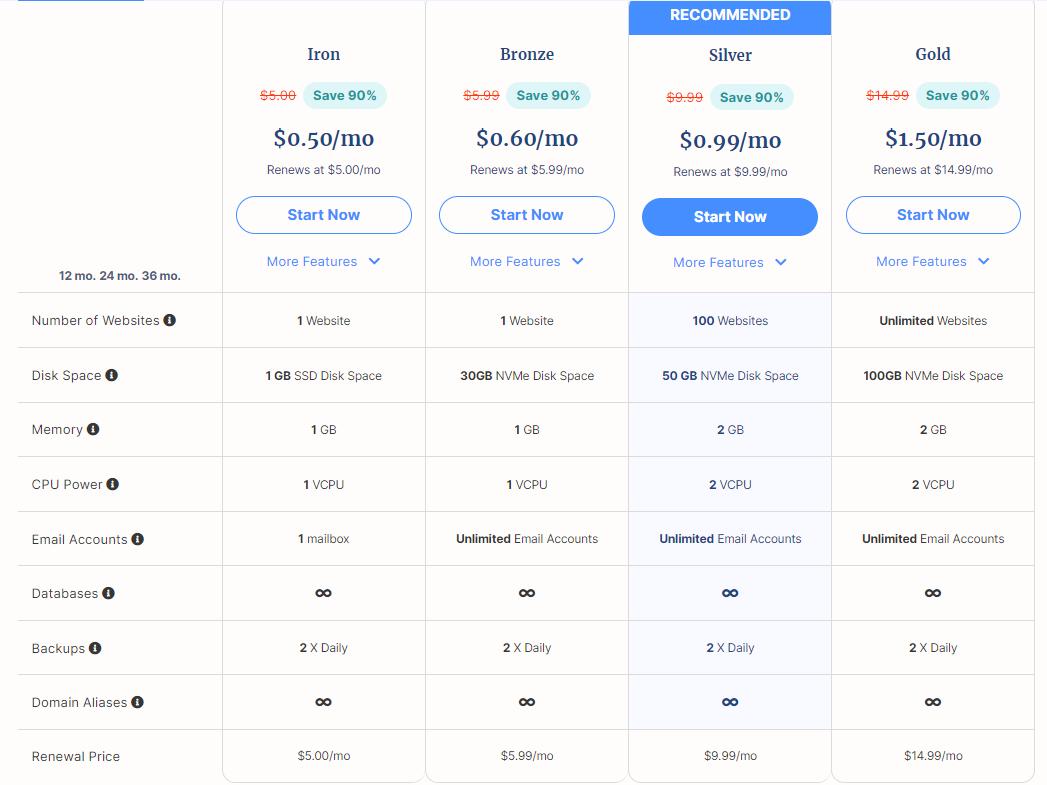
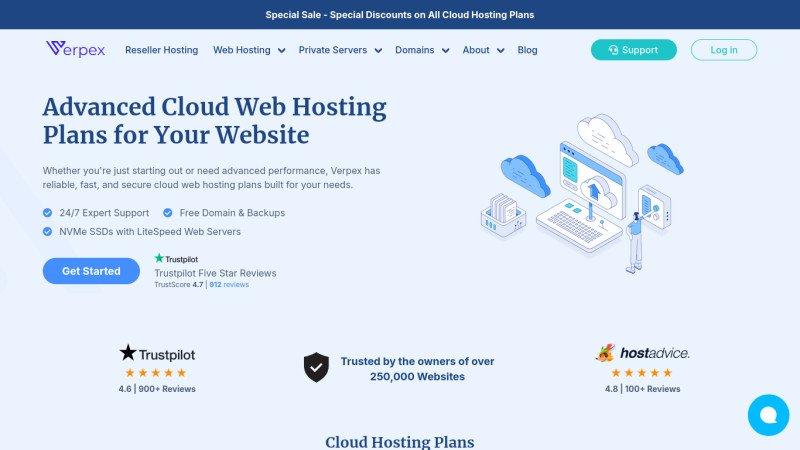
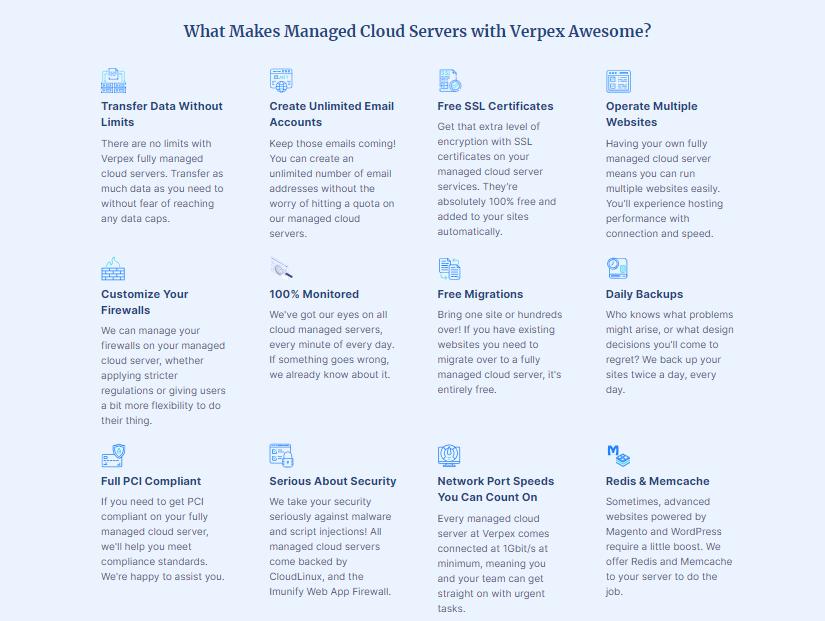
As your website attracts more visitors, expands its content library, or introduces additional features, your hosting needs may evolve. Choosing a provider that offers multiple hosting solutions makes it easier to transition as your project grows without needing to change platforms entirely.
Thinking ahead today can reduce complexity later.
Which Option Fits Your Website?

5
There’s no universal answer because every website has different priorities.
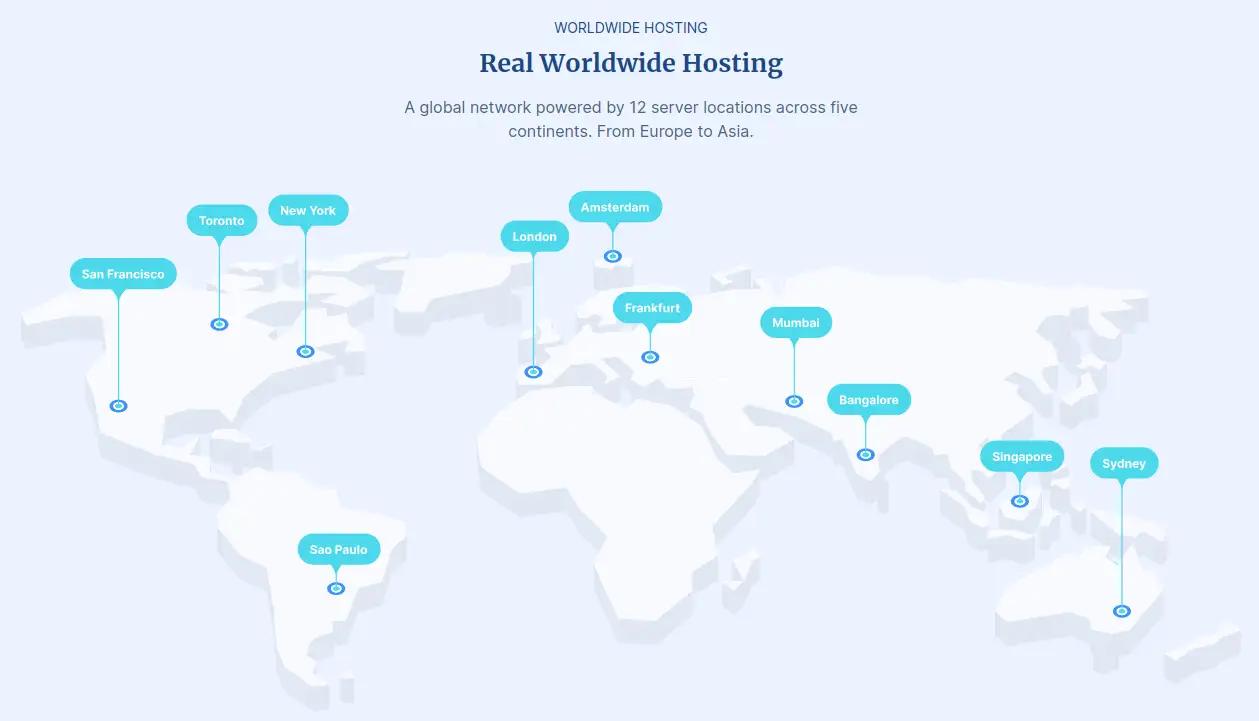
A personal blog may perform perfectly on shared hosting for years, while an established business website may benefit from a managed environment that reduces administrative work. The key is evaluating how much flexibility, technical assistance, and long-term scalability your website is likely to require.
Selecting hosting based on your actual needs often delivers a better experience than choosing based solely on specifications or price.
Conclusion
Shared hosting and managed hosting each serve valuable purposes. The best choice depends on your goals, technical confidence, and how you expect your website to develop over time.
By understanding the strengths of each hosting approach, you’ll be better prepared to choose a solution that supports your website both today and as it continues to grow. Reliable hosting isn’t just about getting online—it’s about creating a dependable foundation for the future.
Ready to Find the Right Hosting Solution?
Explore Verpex and discover a hosting solution that matches your website today while giving you room to grow tomorrow.